Technology has become the backbone of modern civilization, influencing how societies communicate, work, govern, and innovate. From artificial intelligence and semiconductors to space exploration and digital finance, a small group of countries consistently leads global technological progress. These nations invest heavily in research and development, nurture innovation-friendly ecosystems, and shape the digital future through policy, talent, and infrastructure. This article explores the top five tech countries in the world, examining why they dominate the global technology landscape and how their innovations impact the rest of the planet.
1. United States – The Global Technology Powerhouse


4
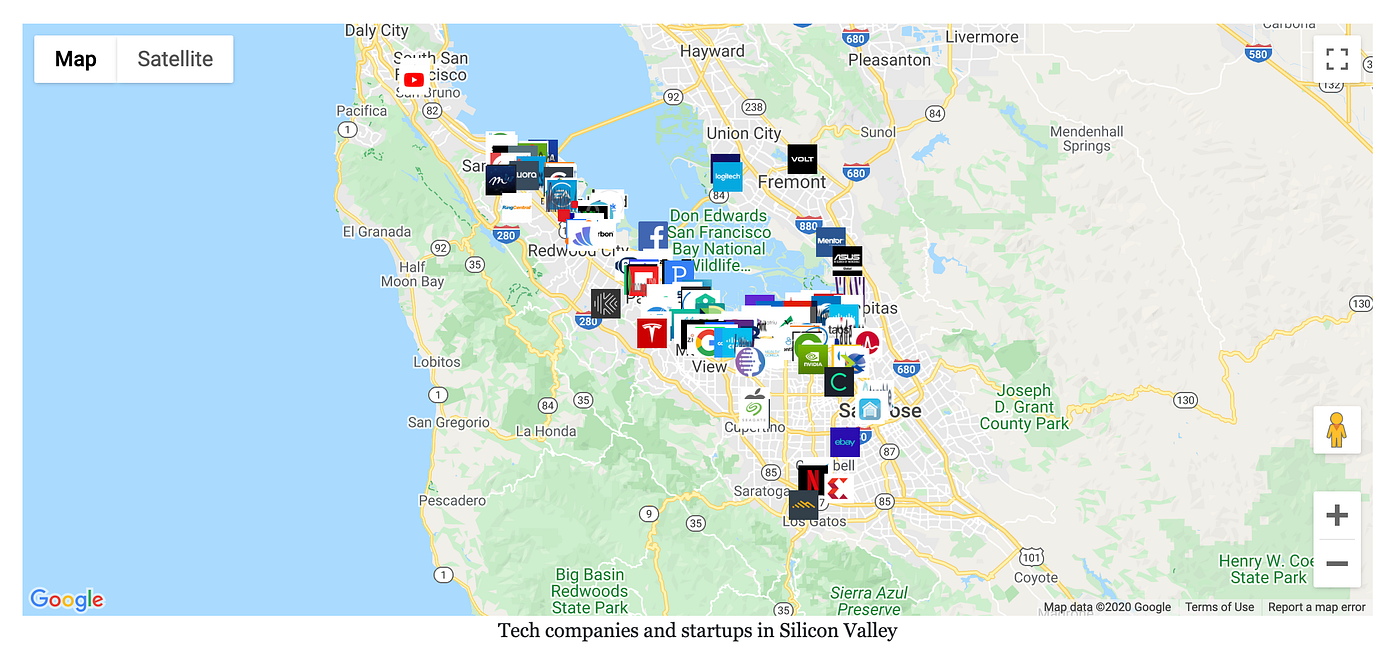
The United States stands at the top of the global technology hierarchy, shaping nearly every major technological trend of the modern era. It is home to Silicon Valley, the most influential tech ecosystem in the world, where innovation, venture capital, and talent converge at unmatched scale. American companies dominate sectors such as artificial intelligence, cloud computing, social media, semiconductors, aerospace, biotechnology, and software development. Firms like Apple, Microsoft, Google, Amazon, Meta, Tesla, and NVIDIA define global standards for innovation and market leadership.
One of the biggest strengths of the United States is its research-driven culture. The country invests hundreds of billions of dollars annually in research and development, supported by world-class universities such as MIT, Stanford, and Harvard. These institutions act as pipelines for talent, producing engineers, scientists, and entrepreneurs who fuel the tech industry. Government agencies like NASA and DARPA have also played a historic role in pioneering technologies that later became commercially transformative, including the internet, GPS, and advanced robotics.
The US technology ecosystem thrives on risk-taking and entrepreneurship. Venture capital funding is deeper and more mature than anywhere else, allowing startups to scale rapidly into global giants. The country also benefits from strong intellectual property protection, a massive domestic market, and global influence, enabling American technologies to spread worldwide. Despite challenges such as regulation debates and global competition, the United States remains the most powerful and influential tech country on Earth.
2. China – The Fastest-Rising Tech Superpower


4
China has emerged as the world’s most formidable technological challenger, transforming itself from a manufacturing-based economy into a global innovation leader within just a few decades. The country dominates areas such as artificial intelligence, 5G telecommunications, e-commerce, fintech, electric vehicles, and smart city infrastructure. Cities like Shenzhen, Beijing, and Shanghai function as massive innovation hubs, housing some of the world’s largest and fastest-growing tech companies.
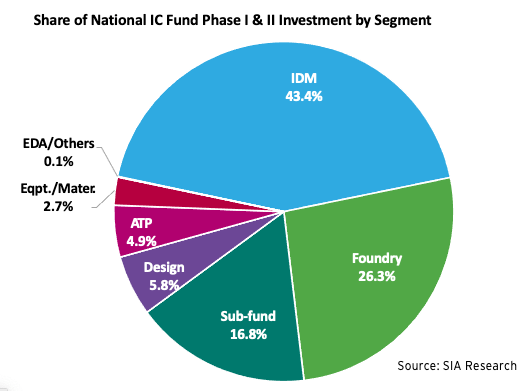
Chinese tech giants such as Alibaba, Tencent, Huawei, BYD, and Baidu operate at enormous scale, serving both domestic and international markets. China’s strength lies in its ability to rapidly commercialize technology, supported by a vast population, strong state backing, and integrated supply chains. The government plays a central role in guiding technological development through long-term national strategies focused on AI leadership, semiconductor independence, and digital infrastructure.
China is also a global leader in applied artificial intelligence, particularly in areas like facial recognition, smart surveillance, and fintech innovation. Massive datasets generated by its population give Chinese companies a competitive edge in machine learning and automation. While geopolitical tensions and regulatory concerns affect its global reach, China’s technological momentum continues to reshape global markets and challenge existing power structures.
3. Japan – Precision, Robotics, and Advanced Engineering


4
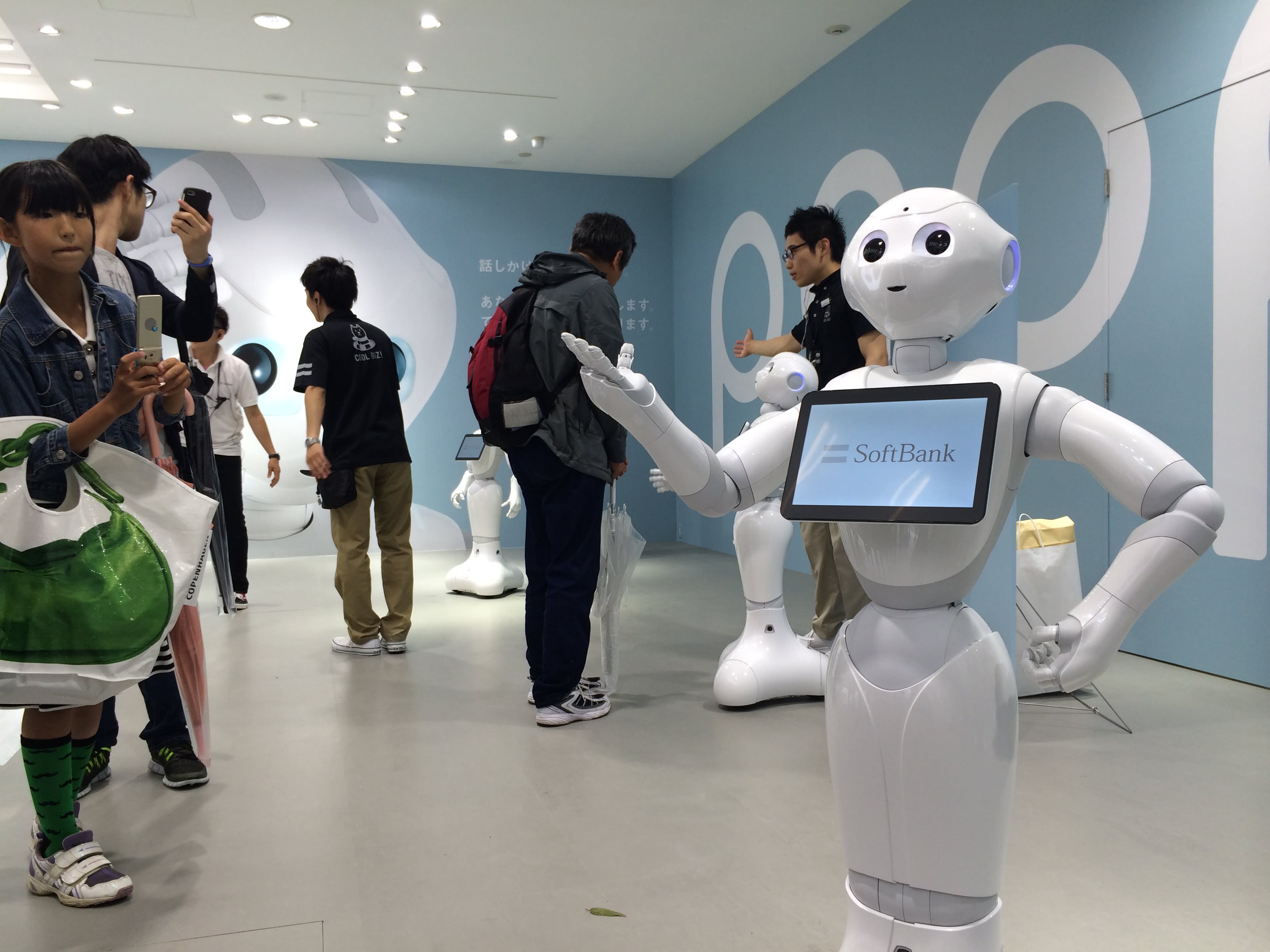
Japan has long been synonymous with technological excellence, particularly in hardware, robotics, and precision engineering. The country is a global leader in industrial automation, consumer electronics, automotive technology, and advanced manufacturing. Japanese companies such as Toyota, Sony, Panasonic, Canon, and SoftBank have played pivotal roles in shaping modern technology and global supply chains.
One of Japan’s most significant contributions to global technology is robotics. The country leads the world in industrial robot production and deployment, with robots powering factories across automotive, electronics, and healthcare sectors. Japan’s aging population has further accelerated innovation in service robots, medical technology, and automation, positioning it as a leader in human-robot interaction.
Japan’s technological culture emphasizes quality, reliability, and long-term innovation rather than rapid disruption. This approach has allowed it to maintain dominance in specialized components such as sensors, semiconductors materials, and precision machinery that power global industries behind the scenes. While Japan may not produce as many consumer-facing software platforms as the US or China, its role as the backbone of global tech manufacturing remains irreplaceable.
4. South Korea – Digital Infrastructure and Consumer Tech Leadership



4
South Korea is one of the most technologically advanced countries in the world, known for its exceptional digital infrastructure and dominance in consumer electronics. The country consistently ranks at the top globally for internet speed, 5G adoption, and digital connectivity. Cities like Seoul are models of smart urban development, integrating technology seamlessly into everyday life.
South Korea is home to global tech giants such as Samsung and LG, which lead in semiconductors, smartphones, displays, and home electronics. Samsung, in particular, plays a critical role in the global semiconductor supply chain, manufacturing advanced memory chips and processors that power devices worldwide. The country is also a major force in gaming, esports, and digital entertainment, influencing global pop culture through technology-driven platforms.
Government support has been crucial to South Korea’s tech success. Heavy investment in education, research, and broadband infrastructure has created a highly skilled workforce and innovation-friendly environment. South Korea’s ability to combine hardware leadership with cutting-edge digital services makes it one of the most complete technology ecosystems in the world.
5. Germany – Industrial Technology and Engineering Excellence


4
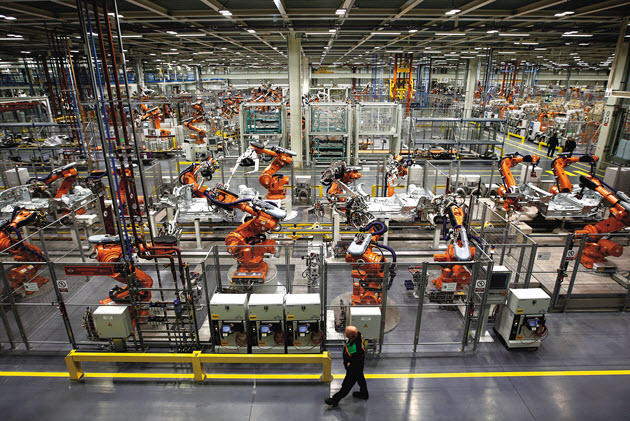
Germany stands as Europe’s strongest technology nation, particularly in industrial technology, automotive engineering, and applied research. The country is the global leader in Industry 4.0, integrating automation, data exchange, and artificial intelligence into manufacturing. German companies such as Siemens, Bosch, SAP, and BMW drive innovation in smart factories, enterprise software, and advanced mobility solutions.
Germany’s strength lies in its engineering culture and close collaboration between industry, government, and academia. The country invests heavily in applied research through institutions like the Fraunhofer Society, ensuring that innovation translates into real-world industrial solutions. Germany also plays a critical role in green technology, renewable energy, and sustainable industrial systems.
While Germany’s startup ecosystem is smaller compared to the US or China, cities like Berlin are emerging as important tech hubs in Europe. Germany’s influence is especially strong in global manufacturing standards, automotive technology, and industrial automation, making it indispensable to the future of global technology.
Conclusion
The United States, China, Japan, South Korea, and Germany represent five distinct models of technological leadership, each excelling in different areas of innovation. Together, they shape the direction of global progress through software, hardware, infrastructure, manufacturing, and applied science. Their dominance is driven by long-term investment in education, research, infrastructure, and policy frameworks that support innovation at scale.
As emerging technologies such as artificial intelligence, quantum computing, clean energy, and space technology continue to evolve, these five countries will remain at the center of global transformation. Understanding their strengths provides valuable insight into where the future of technology is heading and which nations will continue to influence how the world works, connects, and advances.